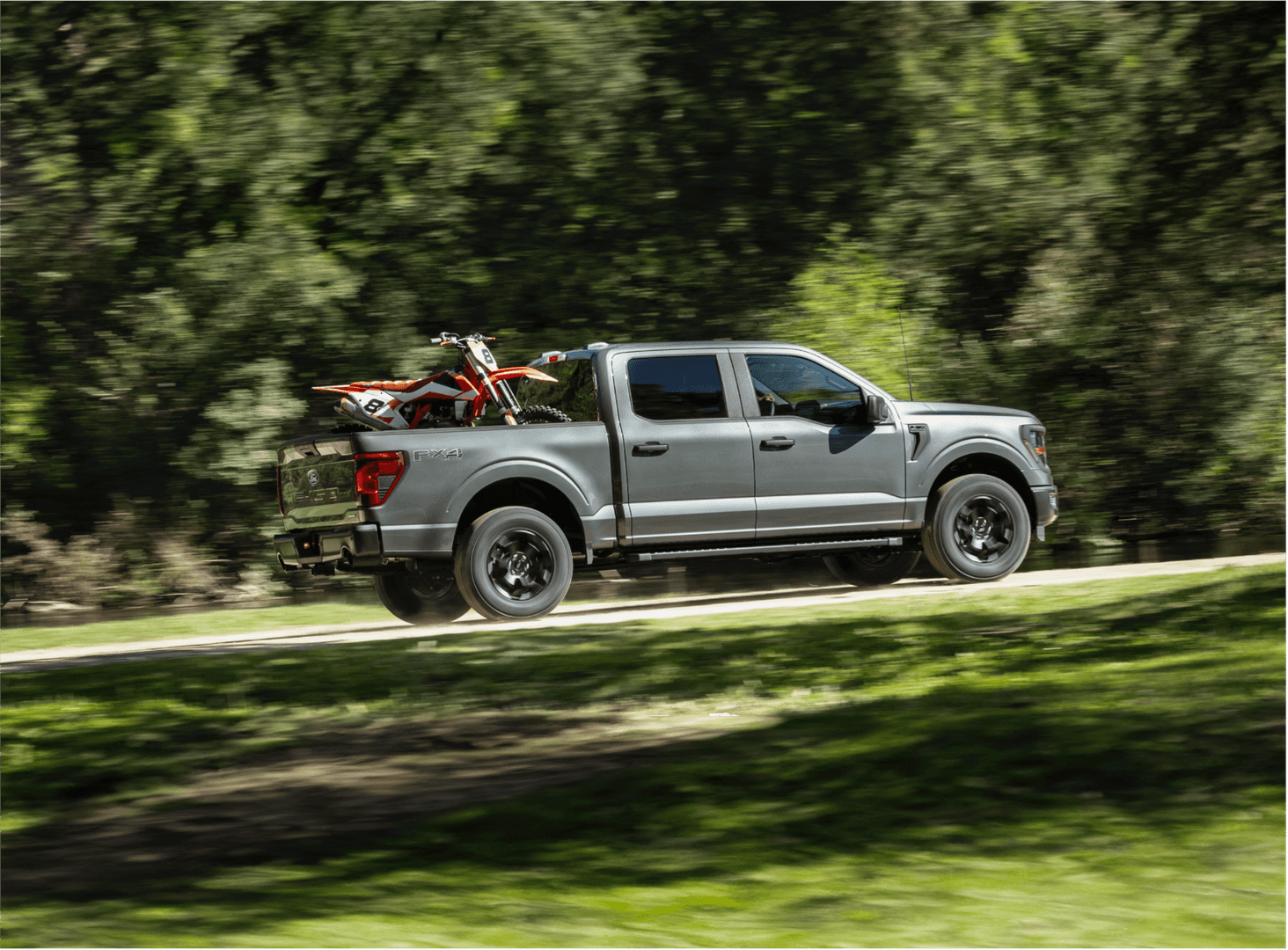
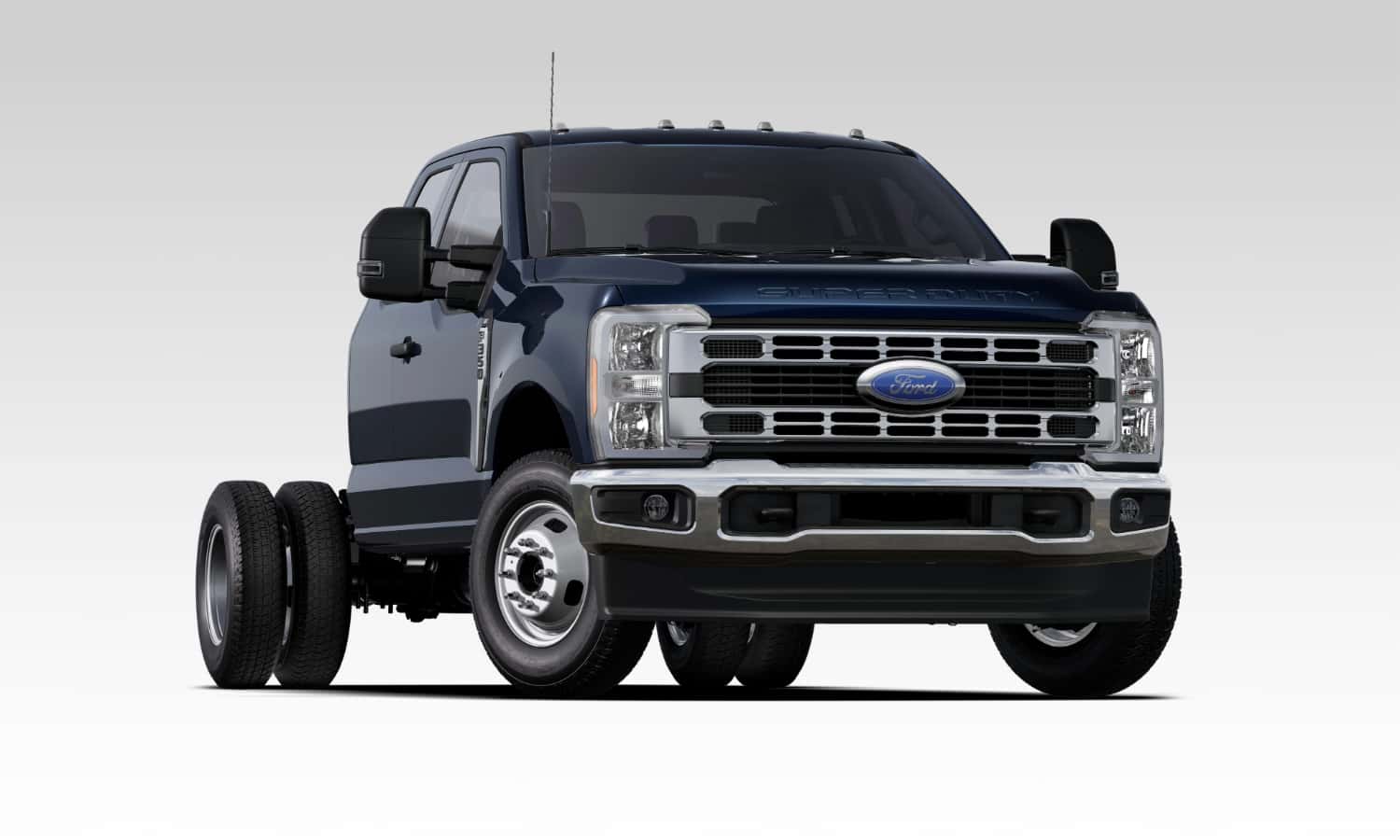
Ford: F-150 & Super Duty
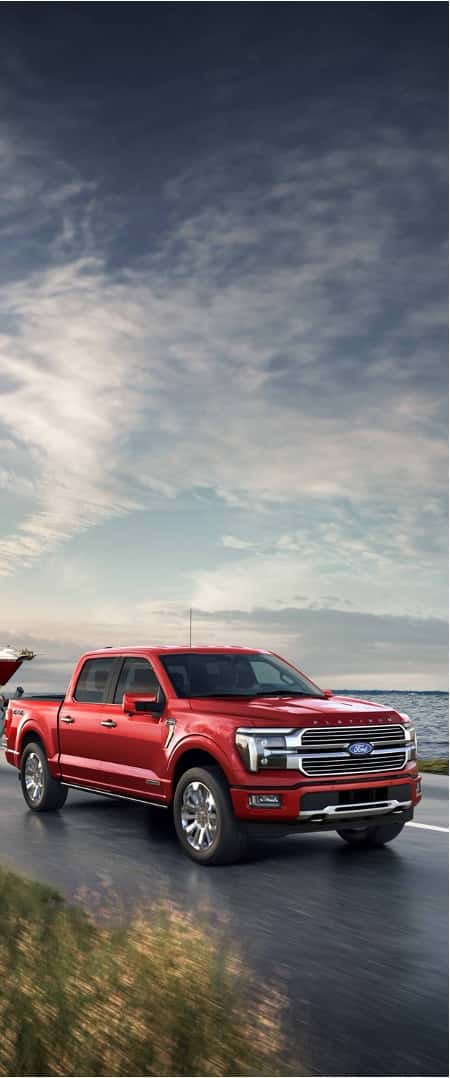
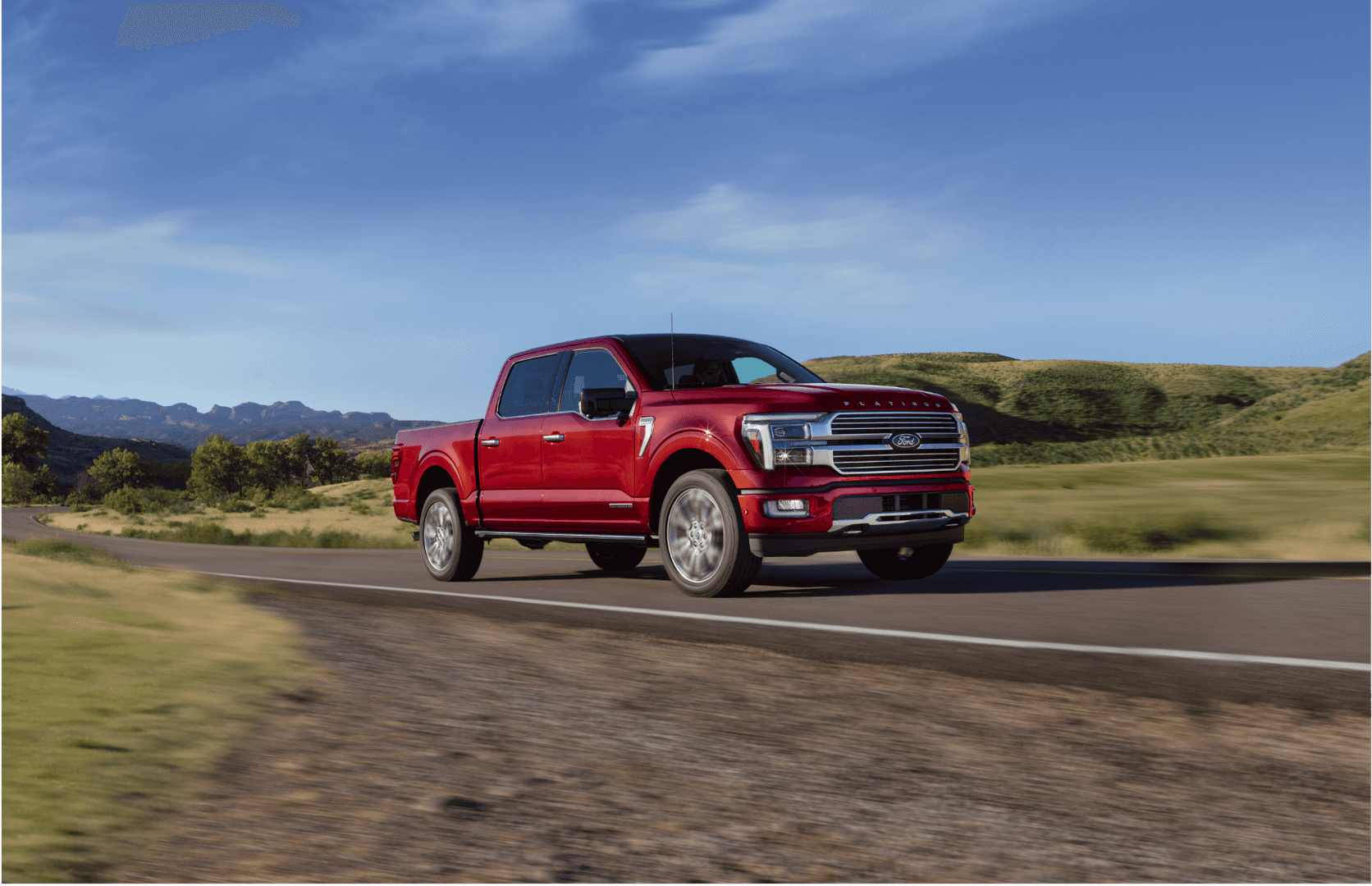
Ford’s strength is how usable the truck is: towing tools, smart tech, and an ecosystem that makes work and play simpler.
If you drive I-84 between Burley and Twin Falls, tow on windy days through the Magic Valley, or climb up toward Pomerelle when the weather turns, “best” means more than a badge. This page breaks down the big truck brands, what they do well, where they differ, and why Ford’s truck tech can feel like a cheat code in real-world Idaho driving.
Specs and feature availability vary by model year, trim, and configuration. Always confirm exact capabilities for the truck you’re considering.
Around Burley, Rupert, Paul, and Twin Falls, a truck earns its keep. Here are the decision points that actually matter—no fluff.
This is the quick, honest overview before we get technical. Ford gets extra attention here because this page is built for Goode Motor Ford shoppers—but we’ll be fair.
Ford’s strength is how usable the truck is: towing tools, smart tech, and an ecosystem that makes work and play simpler.
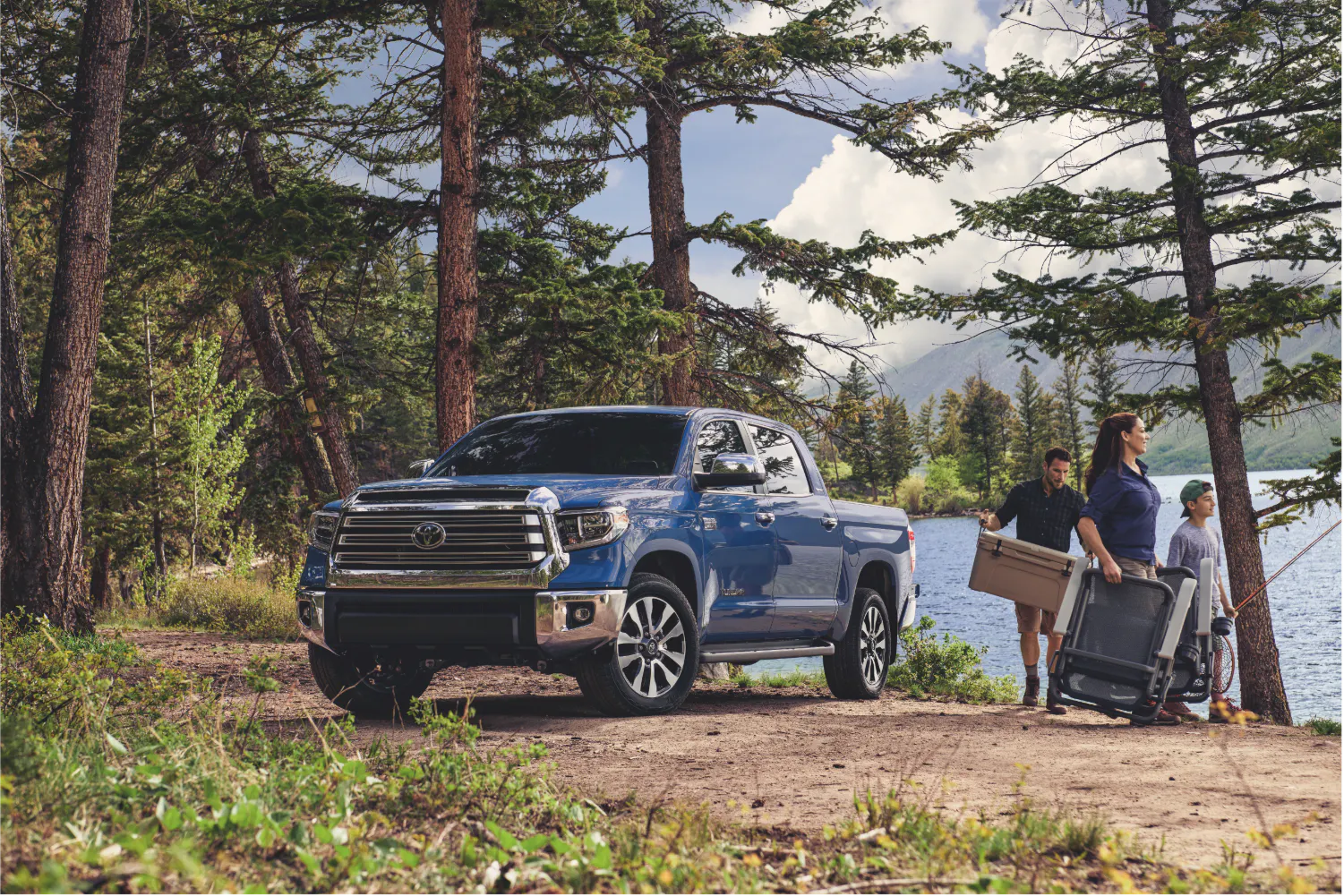
Toyota shoppers often prioritize long-term ownership and simplicity. The Tacoma is a frequent pick for midsize versatility.
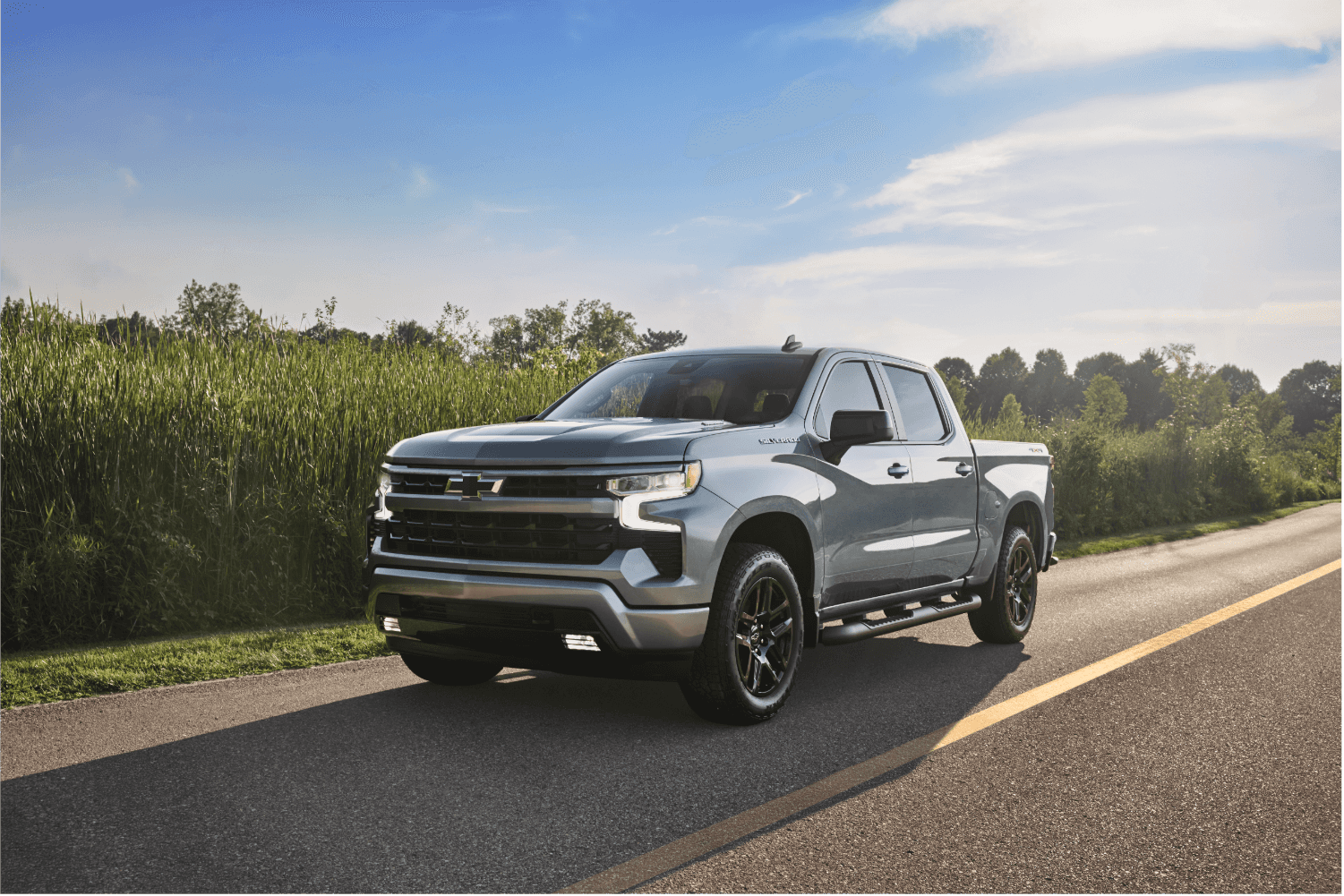
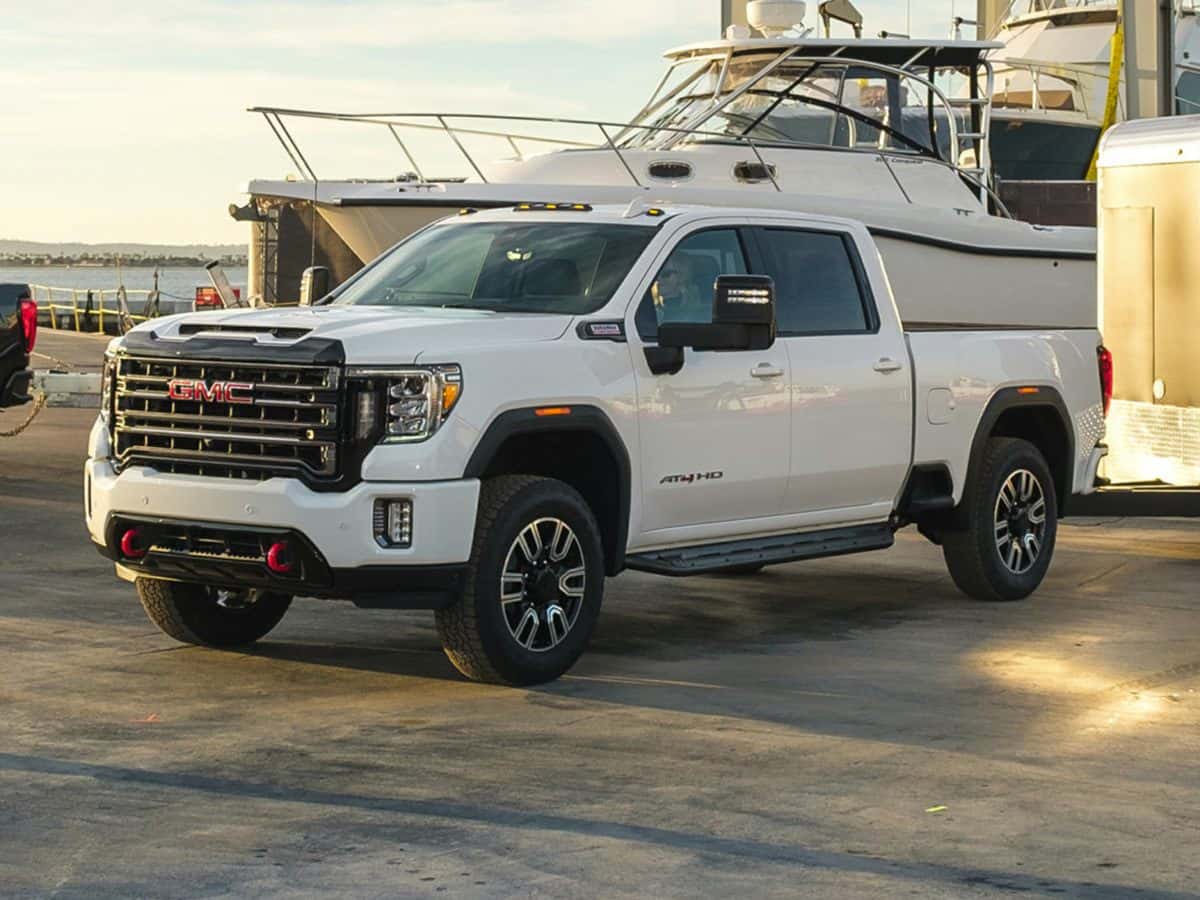
GM trucks are popular for broad trim variety and strong powertrain options. Many trims emphasize comfort and tech as much as capability.
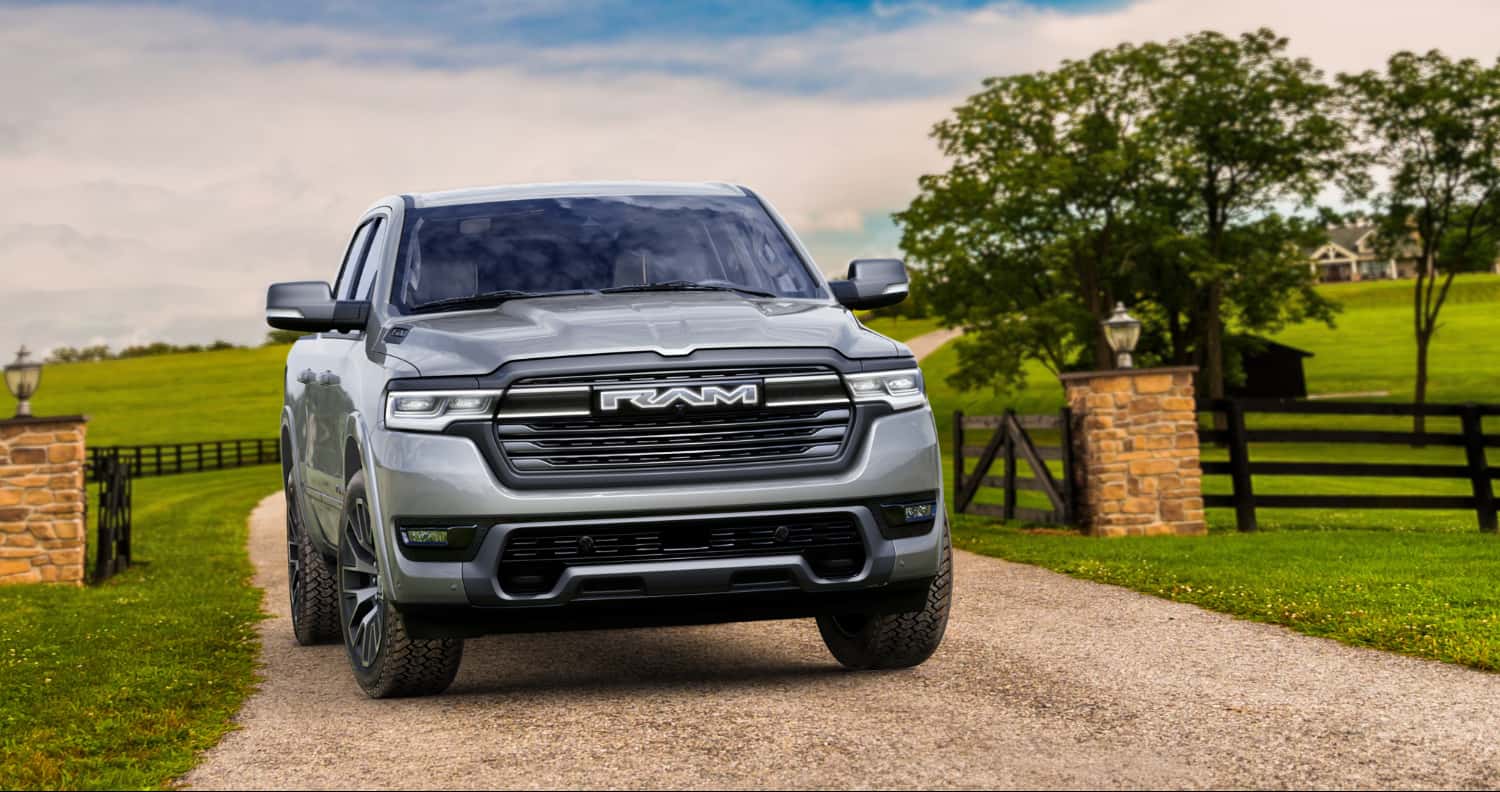
Ram is well-known for a comfortable ride on many trims. HD models are aimed at heavier towing routines.
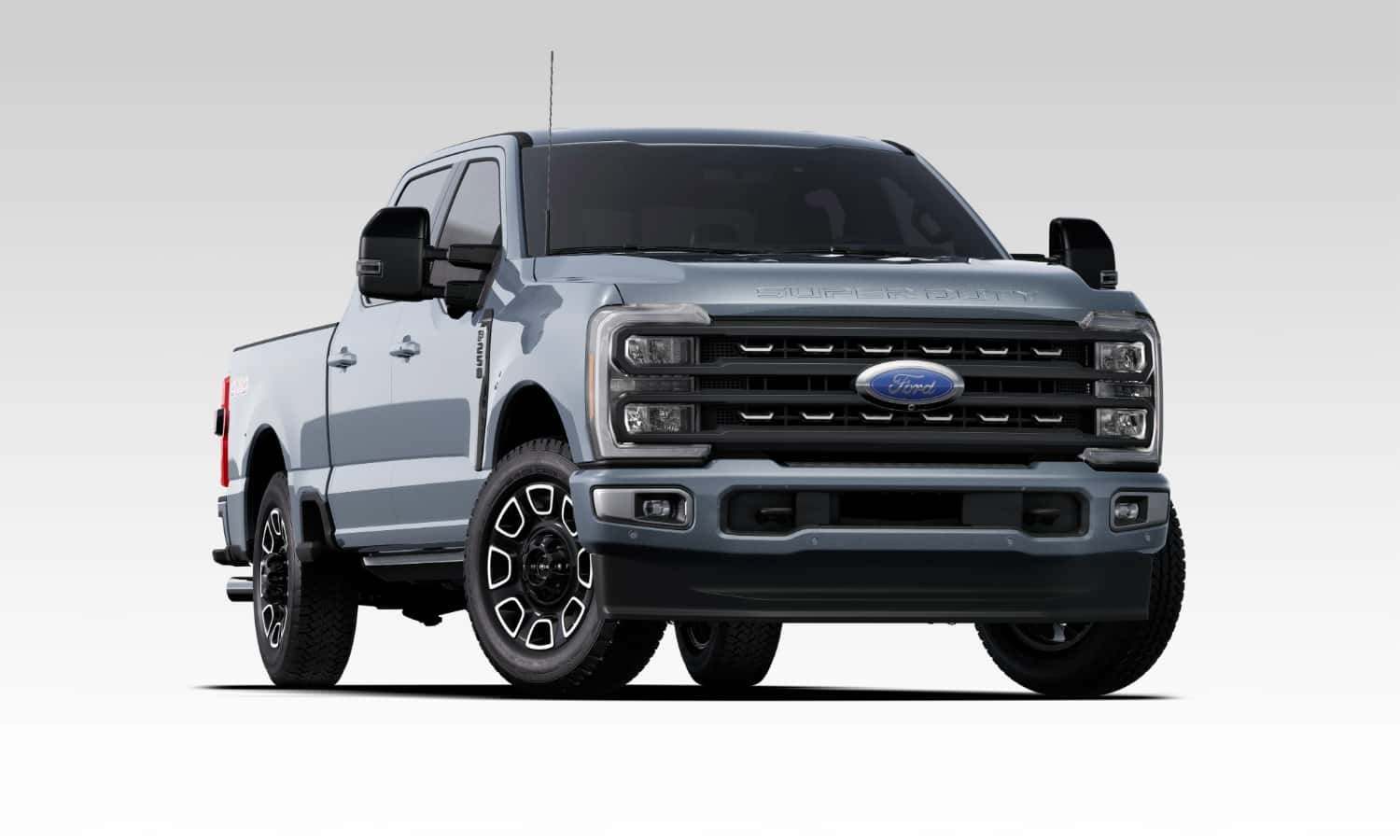
If your life includes heavier trailers, frequent towing, or serious payload needs, the Super Duty conversation is worth having early.
Most brands offer work-focused trims and luxury trims. The “best” truck is usually the one that matches how you actually use it in Southern Idaho.
Brand and model names are used for comparison purposes. All trademarks belong to their respective owners.
Between Burley and Twin, you’ll see wind, spray, and fast-moving traffic. Driver-assist features are most valuable when they reduce fatigue and improve awareness, especially when towing.
In Southern Idaho, towing isn’t theoretical—it’s campers, side-by-sides, livestock trailers, and work equipment. The most “reliable” truck is the one configured correctly for your load.
| Category | What to look for | Why it matters locally | Where Ford often stands out |
|---|---|---|---|
| Hitch + stability | Trailer sway control, integrated brake controller (where equipped), guidance features | Wind across the Snake River Plain can push trailers around | Available towing-assist tools that help with setup and confidence |
| Payload | Door-jamb payload rating, not just “max tow” marketing | Passengers + gear + tongue weight add up fast on family trips | Many configurations built specifically for real payload needs (talk to us about your use case) |
| Cooling + durability | Heavy-use systems designed for routine towing | Long grades + summer heat + towing is where weaker setups show | Super Duty line is designed for repeated heavy work cycles |
| Everyday drivability | Visibility, camera views, steering confidence | Towing through traffic near Twin Falls requires calm, predictable control | Driver-assist + camera integration (where equipped) can reduce stress |
Always verify towing and payload ratings for the exact year, trim, engine, axle ratio, cab/bed, and drivetrain you’re considering.
“Tech” is a buzzword until it saves you time on a windy day or makes towing less intimidating. Here are the features that genuinely improve truck life.
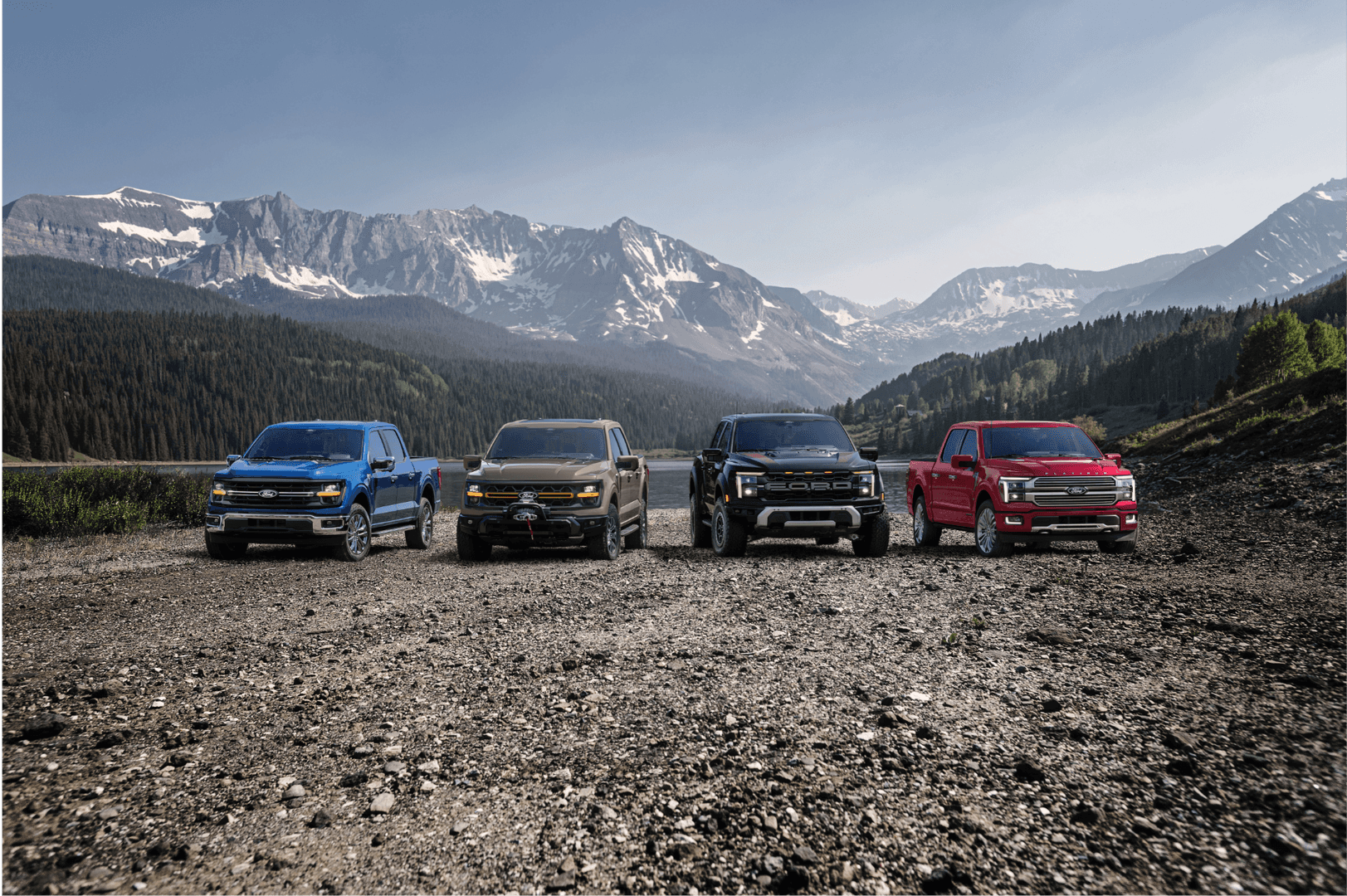
From daily commuting between Burley and Twin Falls to weekend camping, the F-150 lineup is built around real-world configurations, so you don’t have to “overbuy” capability.
People talk towing, but payload is what you feel every day—tools, gear, passengers, and weekend toys. We’ll help you match the right configuration to your real load.
If your truck is a tool—farm, construction, fleet—Super Duty models exist for repeated heavy cycles, not just occasional towing.
Our winters aren’t always deep snow like the mountains—but the wind, black ice, and slush are real. The “best truck” here is the one that stays predictable and helps you keep margin.
Quick answers for the questions people in Burley and Twin Falls search most.
Reliability is a mix of the right configuration for your job, proper maintenance, and how hard the truck is worked. For Magic Valley drivers who tow, haul, and drive in wind + winter, the most reliable truck is usually the one that’s correctly matched to trailer weight, payload needs, and daily miles.
Start with your real use case: daily commute, family, towing frequency, and payload. Then compare how easy the truck makes the hard stuff (towing setup, visibility, safety tech, and daily comfort). Ford tends to stand out in usable towing and driver-assist tech (where equipped) that reduces stress in everyday Idaho driving.
If you tow occasionally and want a comfortable daily driver, many shoppers start with a half-ton (like F-150). If you tow heavy often, or payload is a constant need, heavy-duty models (like Super Duty) are designed for that routine. We can help you match the right setup so you’re not underbuilt—or overbuying.
Practical tech matters when it reduces fatigue, improves visibility, and makes towing less intimidating—especially in wind, traffic, and winter conditions. The best tech is the kind you’ll use every day.

We’re not writing this from a boardroom. This is Magic Valley life, work trucks, family trips, windy days, and real towing.
If you want the “best truck 2026” for Southern Idaho, don’t guess, compare the real trucks, sit in them, and talk through your needs. We’ll show you Ford’s tech the right way: not hype, just how it helps on your roads.
Specs, ratings, and feature availability vary by model year, trim, packages, and configuration. Please confirm for the specific vehicle you choose.